

Your co-pilot for clinical monitoring
Medable’s Clinical Monitoring Agent is an AI-driven solution that automates and optimizes clinical trial monitoring by proactively identifying and prioritizing site risks, generating comprehensive pre-visit summaries, and providing actionable recommendations to enhance trial oversight and compliance.
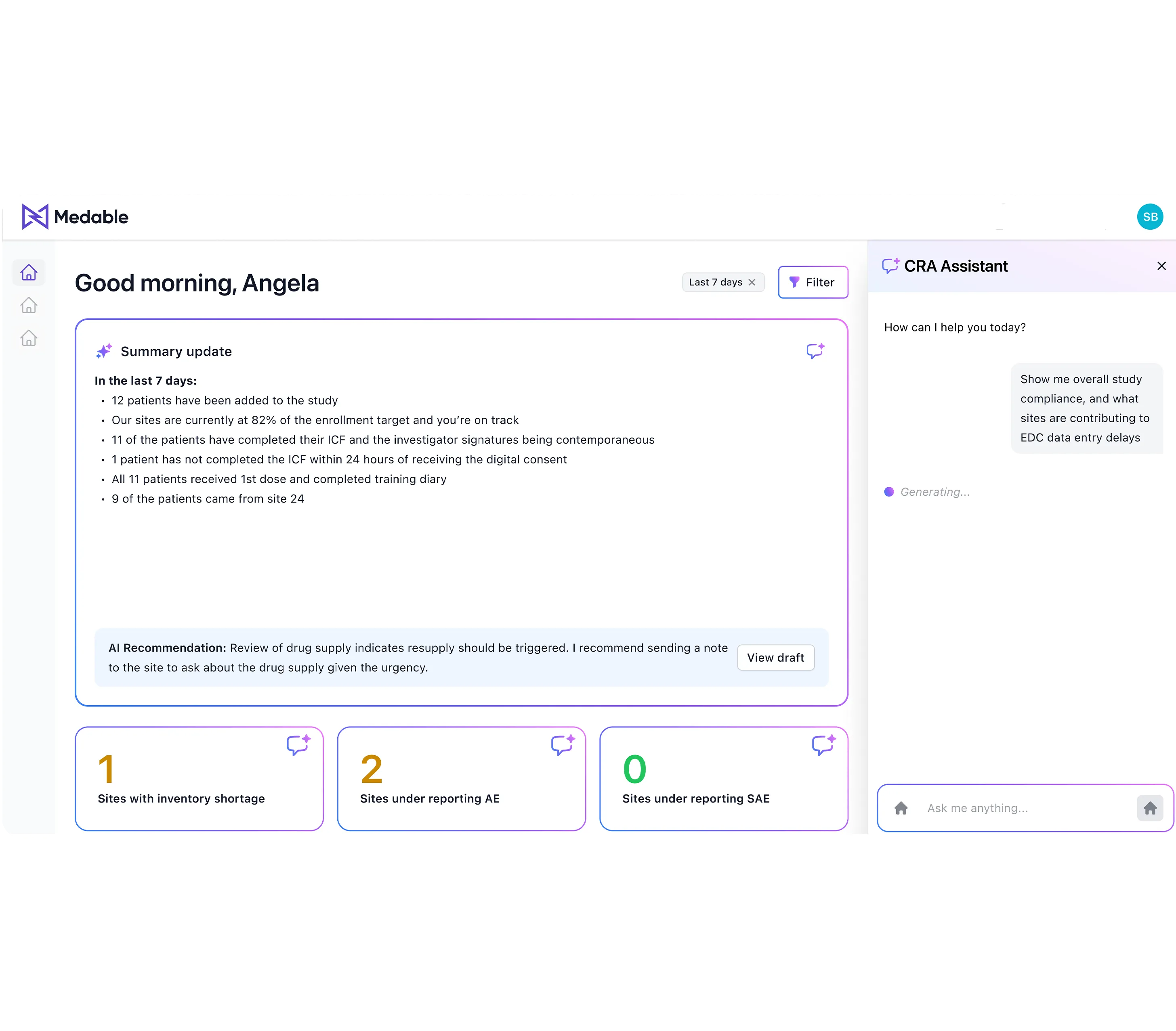

We estimate that CRA agents can take on up to 90% of the tactical and administrative work the Clinical Monitoring handles on a daily basis — from sending site-specific emails and reminders to tracking responses and updating systems. That means we can focus our time on the strategic decisions that move trials forward, while standardizing and streamlining the tasks that used to consume most of our day.

Connected monitoring across systems
Perceive signals across the entire clinical data ecosystem by unifying CTMS, RTSM, EDC, labs, consent, and safety into one view. Turn manual checks into automated insights, instantly highlighting which sites are on track and where intervention is needed, saving valuable time, system-hopping, and manual data compilation.
Human-in-the-loop oversight
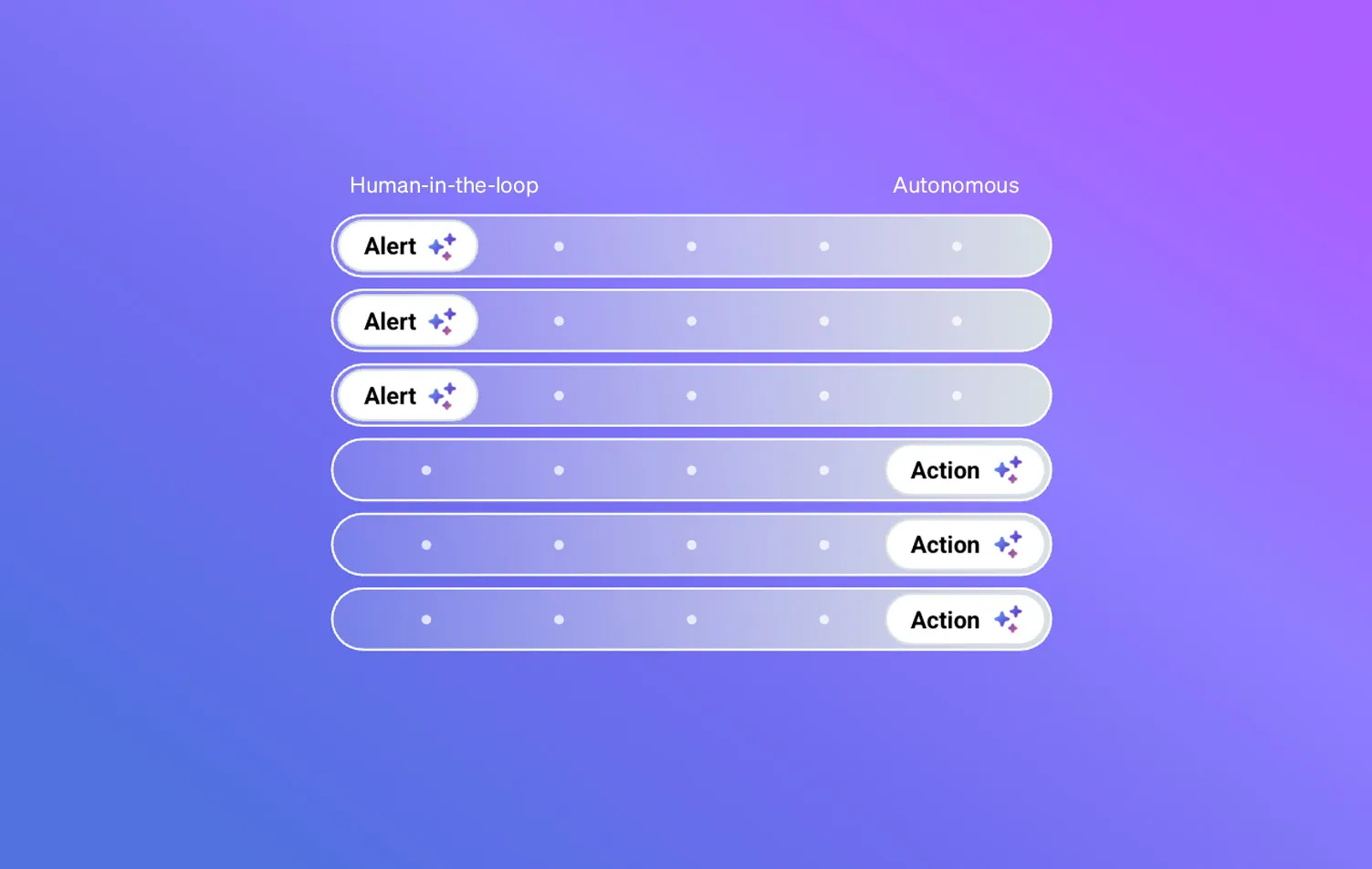
Easily identify risks and recommendations for best-next actions tied to your protocol, consent, and regulatory requirements. Stay assured with a transparent reasoning trail thatshows why each step is advised, enabling CRAs to collaborate confidently with sites, improve decision-making, enhance their compliance, all while freeing CRAs to focus on engagement and site-specific challenges.
Automated administrative tasks
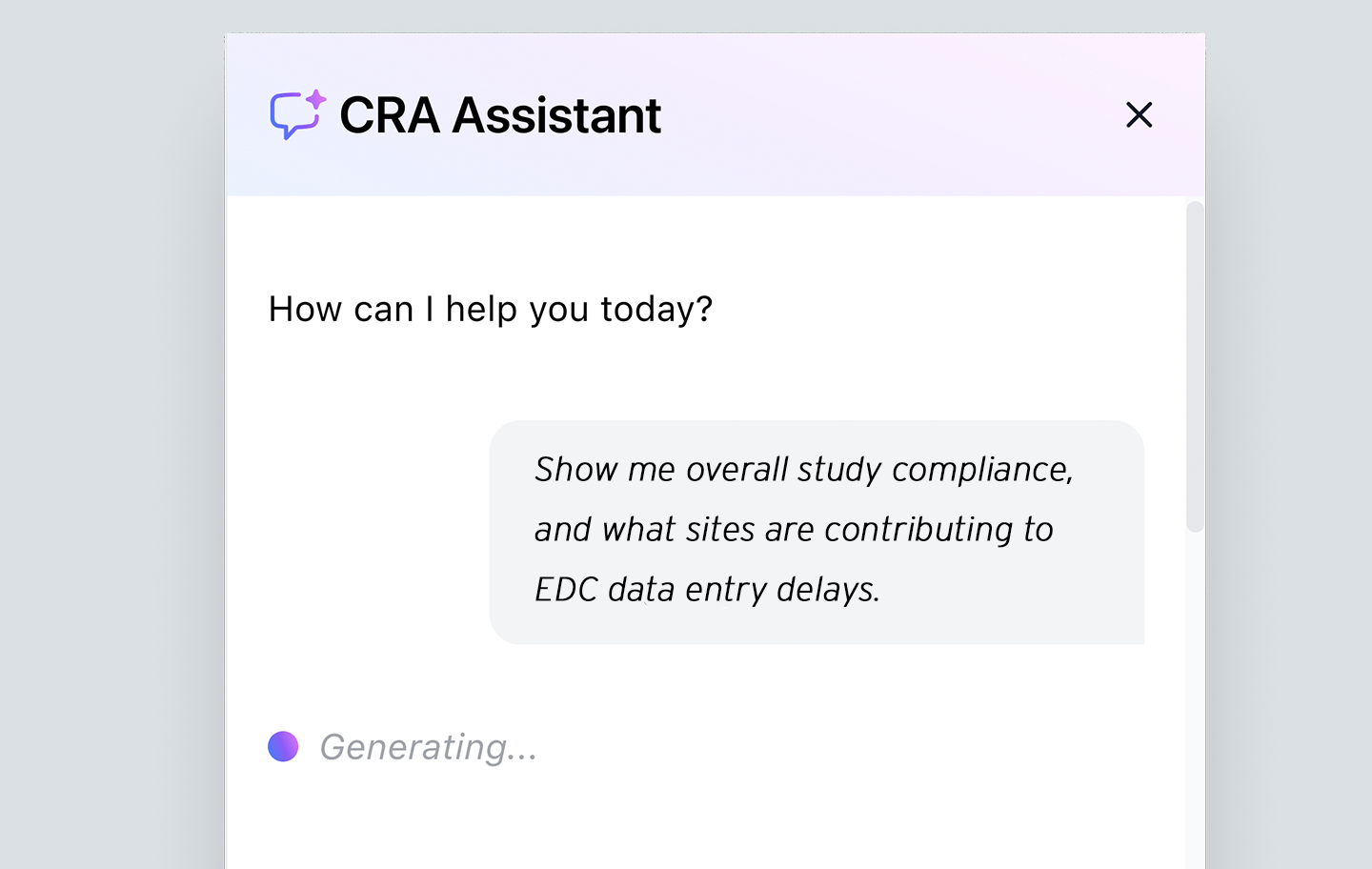
Take advantage of automated routine tasks like drafting queries, sending emails, and updating CTMS/eTMF — always with human CRA oversight. Close the loop between planning and execution with real-time tracking that reduces administrative burden, ensures data consistency, and accelerates trial progress.
The latest from Knowledge Centers


Reinventing the Frontline: The Future of Clinical Monitoring for Faster, More Competitive Trials
Scientific innovation is accelerating, but clinical development must keep pace. Clinical monitoring sits on the frontline of trial execution and remains one of its most resource-intensive functions, with site monitoring typically cited as accounting for up to 30% of trial costs. This 60-minute session will provide a practical roadmap for transforming clinical monitoring with agentic AI.

eConsent regulations: What changed under FDA, ICH E6(R3), Part 11 and global regulations
Electronic informed consent, or eConsent, is no longer a novel approach to clinical research. Regulators around the world increasingly recognize electronic, remote and technology-enabled approaches to informed consent as part of modern clinical trial conduct.
But the regulatory environment has changed significantly.
The most important development is not a single new eConsent regulation. Instead, updates to Good Clinical Practice, electronic systems guidance and national clinical trial frameworks are changing how sponsors can design, document and manage informed consent.
ICH E6(R3) is central to that change. FDA issued E6(R3) as final guidance in September 2025, describing the revision as a modernization of GCP that embraces innovation in trial design, conduct and technology while emphasizing quality by design, participant protection and risk-based approaches. FDA subsequently withdrew its E6(R2) guidance in April 2026.
At the same time, regulatory developments in the United States, European Union, United Kingdom and Canada are providing clearer frameworks for electronic records, remote interactions and alternative ways of documenting consent.
For sponsors, CROs and clinical trial sites, the question is therefore changing. It is no longer simply, "Can informed consent be electronic?"
Increasingly, the question is: How can electronic informed consent be implemented in a way that protects participants, supports understanding, verifies identity where required, preserves reliable records and meets the requirements of every jurisdiction involved in a trial?

Restoring the American Biotechnology Edge
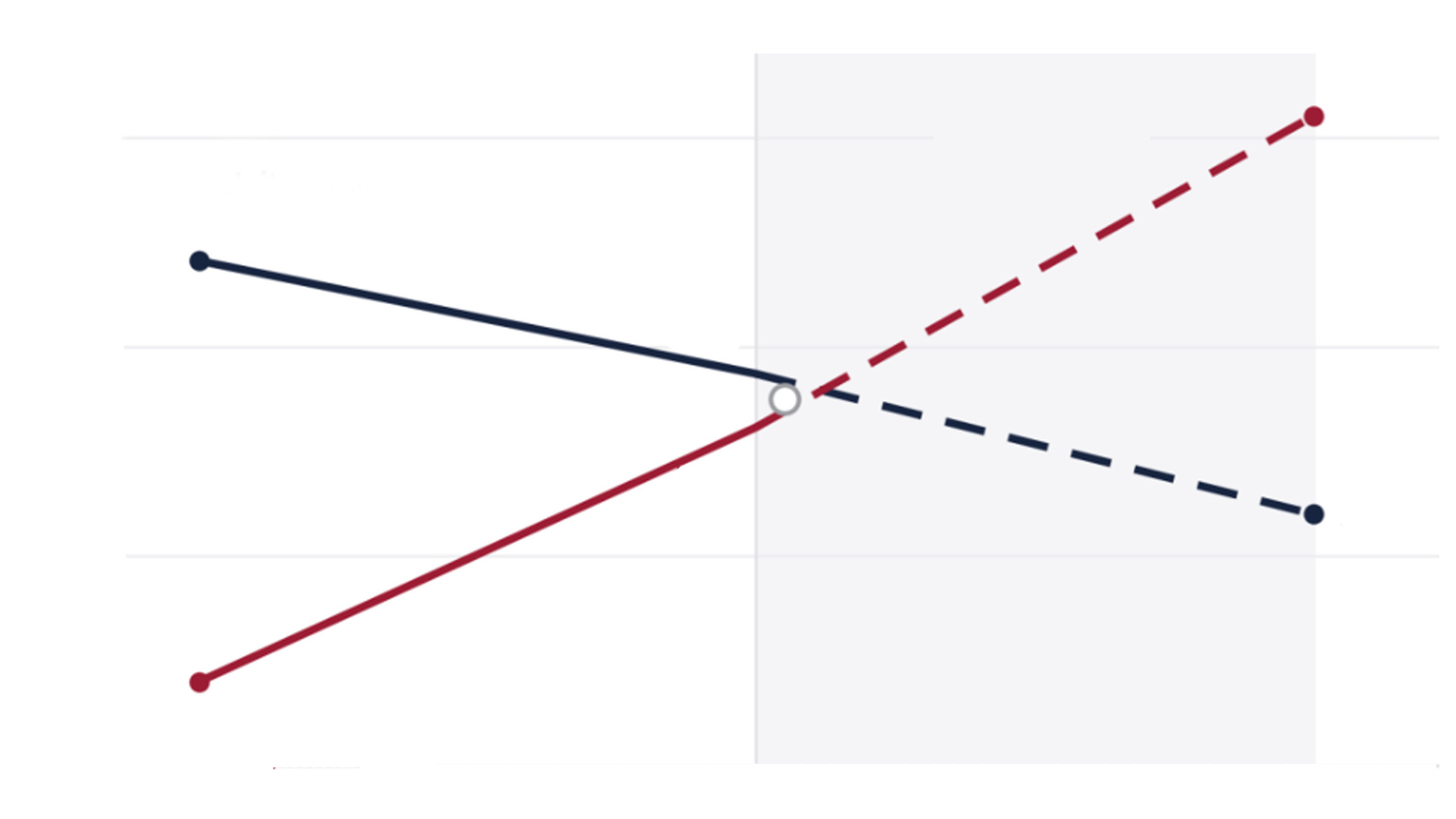
American biotechnology still leads in scientific innovation, but its advantage in turning science into medicine is eroding. Part 1 examines how slower, more expensive clinical development is shifting the competitive edge toward China, and what’s at stake for the future of U.S. biotech.

Eliminate clinical trial white space with the right AI strategy
It has become clear that our industry has reachedthe limits of human-only clinical development. As clinical trials have become increasingly complex, the endeavors that people alone can perform are no longer sufficient to generate the momentum needed to address the growing burden of human disease. This has led to longer drug development timelines and significant delays for patients. One large are of lost time is “white space,” definied simply as unproductive time caused by manual, sequential processes and fragmented data systems. Thankfully, a solution lies in agentic AI and its abilities to perform series of tasks.